

Was that a long read? Let me explain it more simply…
What is the story
According to a recently published study, conversation The journal challenges our understanding of how underwater avalanches occur and their potential dangers.
The study focused on a massive underwater avalanche that occurred off the coast of Morocco 60,000 years ago.
The avalanche traveled 400 km through the world’s largest undersea canyon and 1,600 km across the Atlantic Ocean floor, making it the second largest undersea avalanche ever recorded.
New research questions our understanding
Underwater avalanches, powerful and invisible natural phenomena that occur beneath the ocean’s surface, pose a major threat to the world’s internet infrastructure.
These events occur underwater and are difficult to detect and understand.
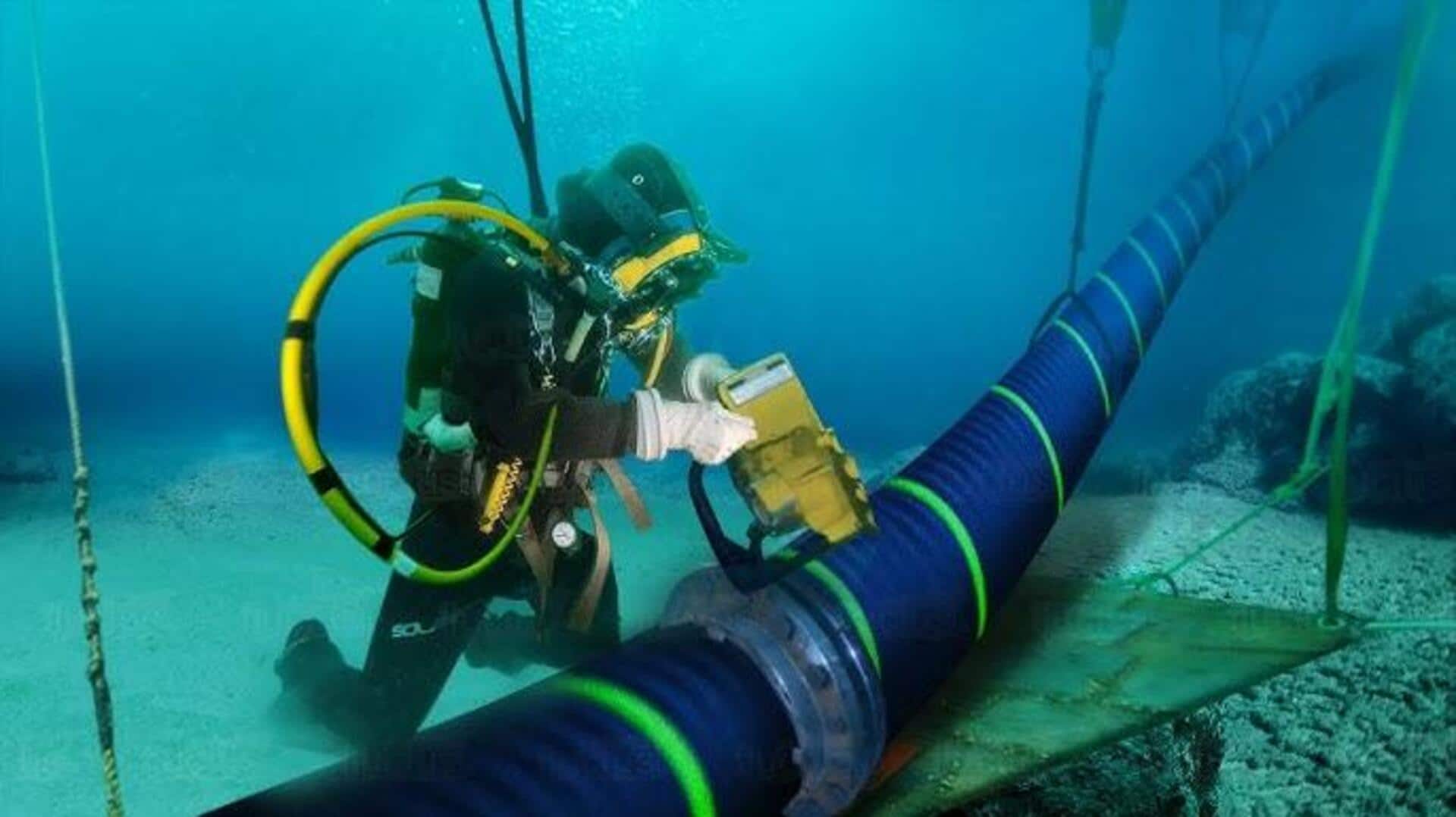
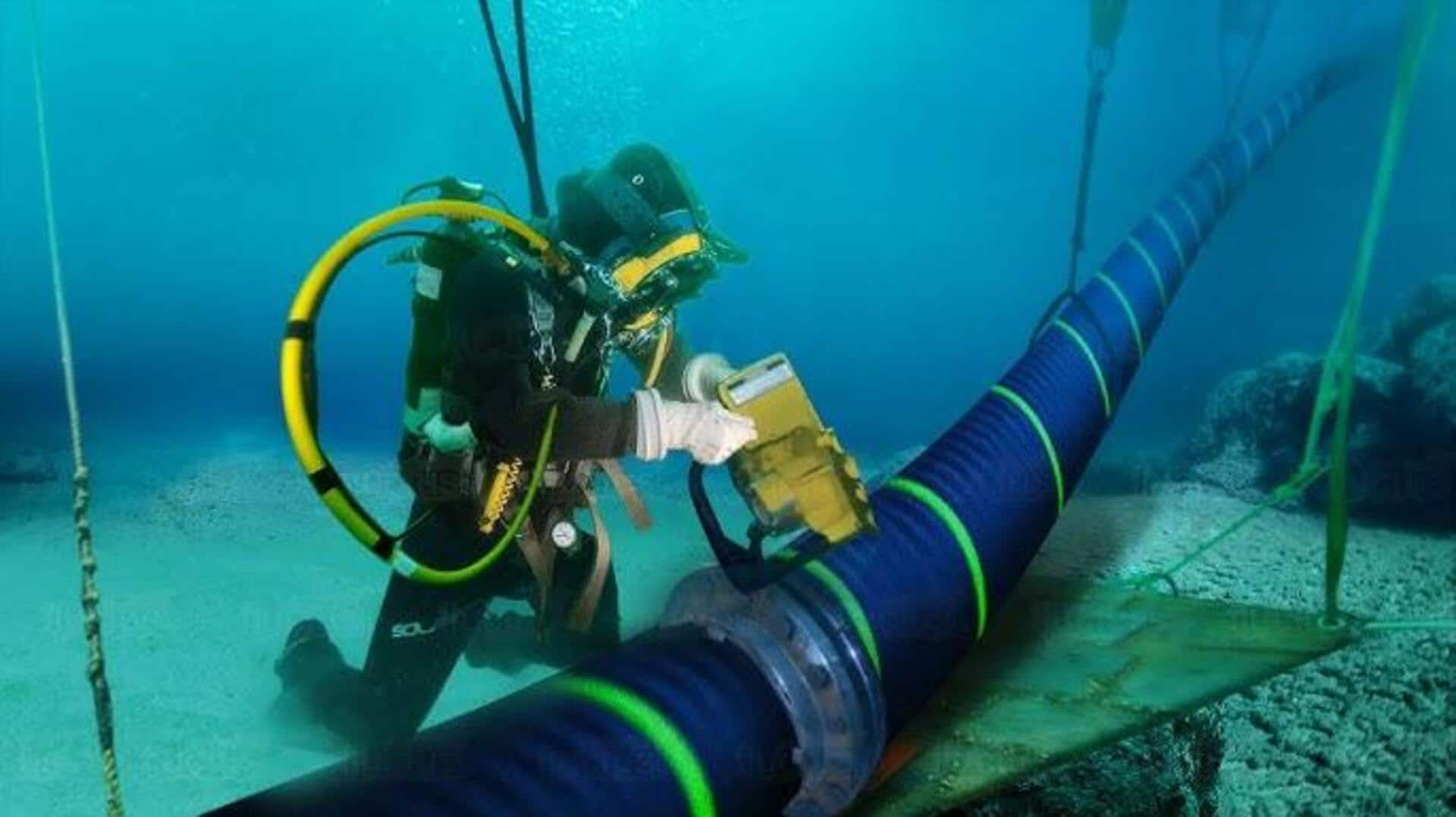
Nevertheless, they are proving to be a potential danger to the expanding network of fiber optic undersea cables that carry nearly all the world’s internet traffic.
Underwater avalanches can start small and become devastating.
Research has revealed that an underwater avalanche can start as a small landslide and expand more than 100 times along its path.
This is an important finding as it calls into question the previous idea that large avalanches begin with large-scale slope failures.
The frequency of these events varies by location, but triggers can include earthquakes, tides, typhoons, river floods, and even volcanic eruptions.
The global network relies on over 550 undersea cables
Currently, the global network relies on more than 550 active submarine cables with a total length of approximately 1.4 million km.
That’s enough to circle the Earth 35 times.
If an undersea avalanche were to damage these undersea cables, the impacts could be widespread and costly, disrupting internet traffic and affecting financial transactions around the world.
The 2006 Pingtung earthquake triggered an undersea avalanche that disrupted global markets.
The Pingtung earthquake that hit Taiwan on December 26, 2006 triggered an undersea avalanche that severed several undersea cables connecting Southeast Asia to the rest of the world.
The event caused a significant drop in internet traffic and financial transactions worldwide.
China’s largest internet operator reported a 90% drop in traffic to the United States during the period, while Taiwan saw internet traffic to its neighboring islands fall by 74-100%.
It took 39 days and millions of dollars to repair the network.
After an undersea avalanche triggered by the Pingtung earthquake on December 26, 2006, it took 39 days to restore the network to full operation, costing ships millions of dollars in shipping.
Despite this significant disruption, given the extensive network of undersea cables, it is highly unlikely that an undersea avalanche would cause a complete shutdown of the global internet.
