

Have you ever done a Google search for your name and been surprised at how much information is available to people trying to find it? Thankfully, by following a few simple steps, you can be on the internet in 2024. You can take back your power and privacy by removing your information from .
Why should I protect my information?
In 2024, it is clear that AI will significantly change our daily lives. AI image creation tools can produce realistic images, while autocomplete is smarter than ever. Meanwhile, people have discovered ways to use AI to harm others. For example, there are reports of scammers using voice models to impersonate their targets’ loved ones. The more information these scammers can learn about you, the more convincing their attacks can be.
More than that, the simple fact of the matter is that everyone has the right to have their privacy respected. It shouldn’t be so easily possible to reveal someone’s private life with just a quick search on the web. But as things stand, we have to fight to protect our privacy.
Delete unnecessary Google search results
In fact, for users in the US and UK, Google offers a way to request that certain web pages be removed from search results, especially those that reveal personal information. If you find a site that contains sensitive information, you can immediately submit a request to prevent it from being shown to Google Search users in the future. Meanwhile, to help you be more proactive about your internet privacy, Google also offers a ‘Results About You’ feature that tracks potential instances of your details being published online.
Importantly, however, this feature does not completely remove your information from the web. Even if you use a different search engine, you may still find the problematic page.
For more information, see Google’s guide to search results about you and the removal process.
It may seem obvious, but another great way to keep your personal life off the internet is to avoid sharing it online in the first place. While social media platforms are a great way to connect with each other, they can also be your weakest link from a digital privacy perspective.
At a minimum, we recommend logging into your social media accounts and adjusting who can see your profile, photos, and videos. For example, what you post on X/Twitter is forever shared with the world unless your account is private, but platforms like Facebook allow you to fine-tune who can see your posts and profile details. It’s probably okay for your friends and family to easily see your phone number, photos, recent activity, etc., but there’s no need to make these details public.
Also, you don’t have to only do this for platforms that you still actively use. Long-abandoned accounts like Facebook and MySpace may still have details and photos you don’t realize have been shared. If you no longer want to use these accounts, back up all your photos and memories before deleting them permanently.
Delete from Internet user search sites
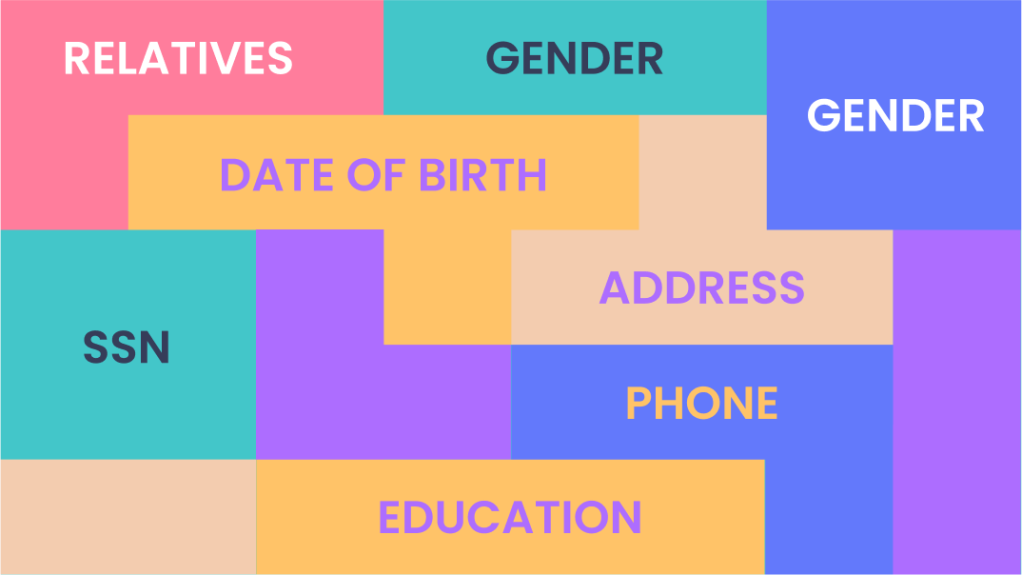
Another common way that private lives are leaked online is through the work of “data brokers.” These brokers buy and sell detailed information about individuals from all walks of life and profit from the invasion of privacy. In some cases, future employers or insurance companies may use information from data brokers to learn more about you. Even worse, those same details could be posted on people-finding websites, and anyone who wants to pay a subscription fee will have to know your phone number, where you live, who you’re connected to, and more. It may be possible to know.
These data brokers are required by law to delete your information if you formally request it, but this is a cumbersome process that must be repeated for each data broker that holds your details. is. Even worse, if your information is found again after your removal request, you may be listed again.
Luckily, this isn’t a lost cause thanks to our trusty friends at Incogni.
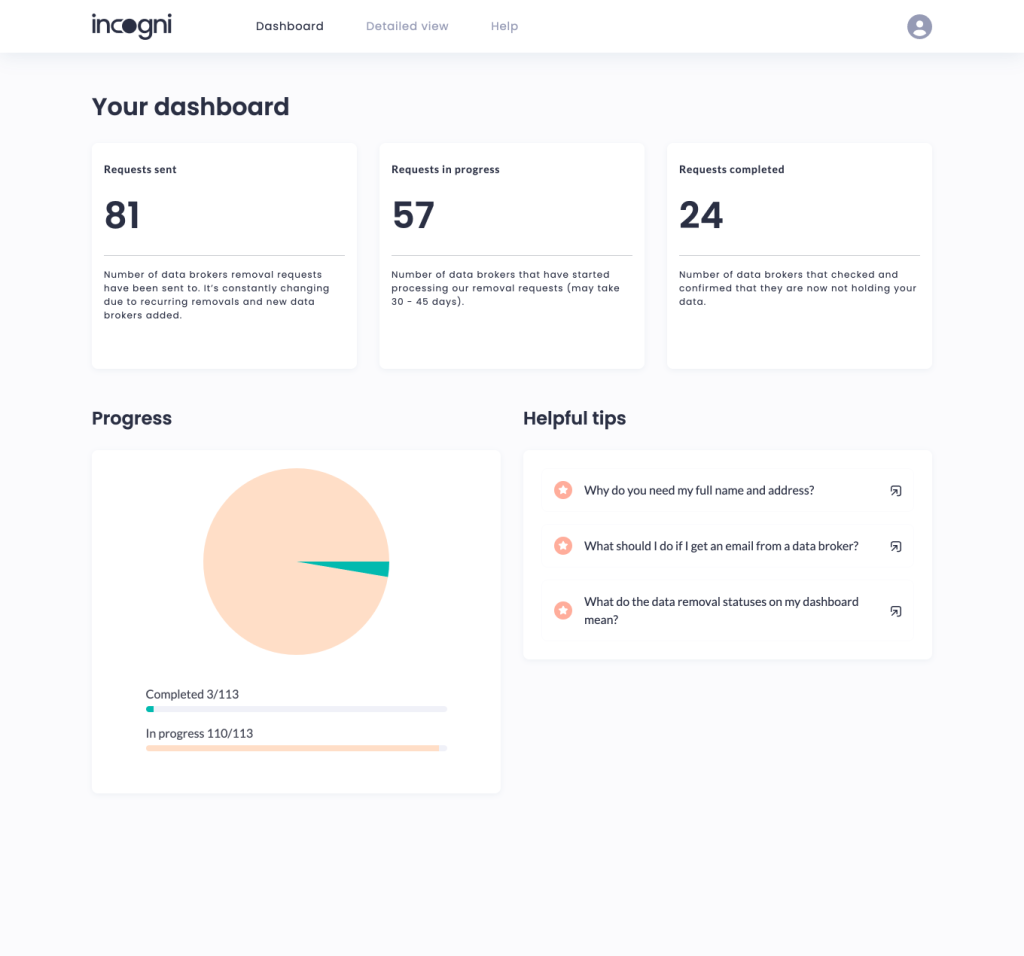
Created by the cybersecurity experts at Surfshark, Incogni takes the hassle out of taking back your internet privacy by fighting data brokers on your behalf. All you have to do is tell Incogni a little about yourself so that her Incogni can tell if someone is selling out your privacy.
From there, Incogni handles the rest, removing information from many data brokers and resolving disputed claims. You can also follow the progress of each removal through the included dashboard.
Even better, you can get a special 55% discount on Incogni Annual Plans by using the code “ ”.9to5Google” at checkout.
Make 2024 the year you unplug your personal life from the internet and reclaim your privacy. If you want to learn more about how to stay safe online and maintain your digital privacy, be sure to read this. X/Follow Incogni on Twitter.
FTC: We use automated affiliate links that generate income. more.
