

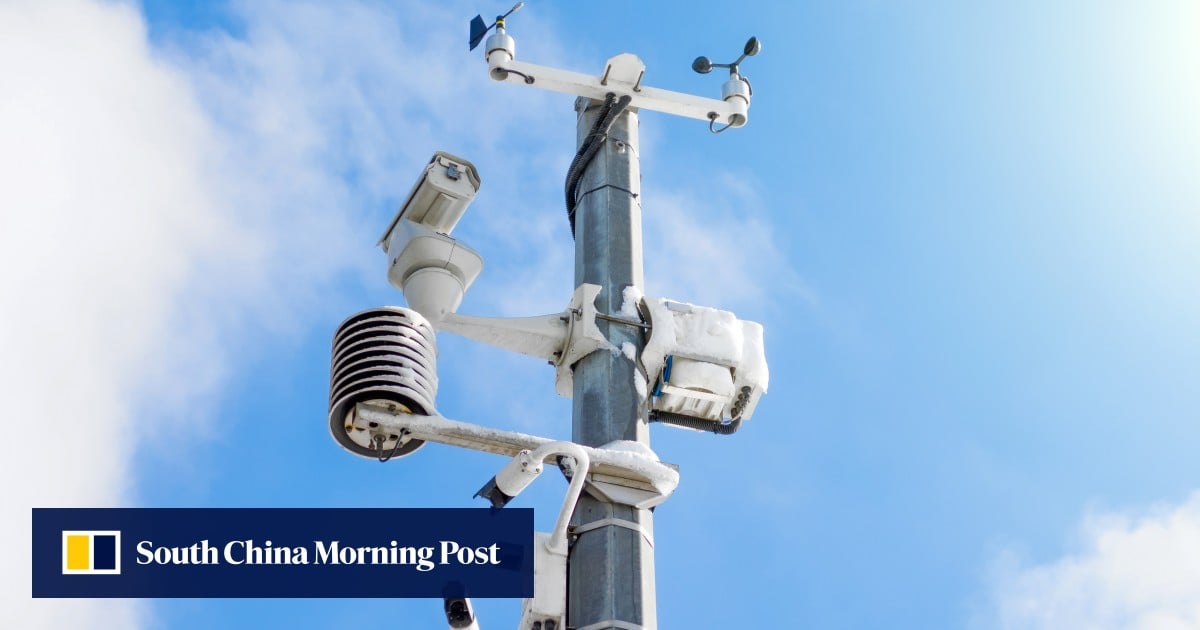
According to the report, residents of a coastal city notified national security authorities that a company was illegally building wind towers near a sensitive site and that they suspected the towers would be used to collect classified data.
The ministry’s investigation found that the wind towers are capable of analysing and transmitting data, CCTV reported, adding that “if this data were leaked overseas it could pose a risk to national security.”
Authorities reportedly prevented the data from being leaked overseas.
The report did not provide details about the identities of the residents, which coastal city the wind towers were located in, who operated them, or what criminal charges may result from the incident.
02:05
‘Democracy activist’ convicted of acting as undercover Chinese agent in US
‘Democracy activist’ convicted of acting as undercover Chinese agent in US
In another case, described in vague terms by the report, suspicions arose over concerns that a wind-measuring tower near a scientific research station was illegally collecting data and sending it overseas.
The report said an investigation found that the tower was not legally registered and its data transmission methods were “complex, creating significant safety risks”. The tower has since been removed, CCTV said.
National security has become a top priority in China, and Communist Party leaders emphasized this commitment at the country’s third plenary session in July.
This comes amid intensifying strategic competition between China and the US-led Western powers in all areas, including technology and trade.
Beijing enacted new counterespionage laws last year, expanding the definition of espionage and the investigative powers of national security agencies.
In 2022, the China Meteorological Administration, the Ministry of State Security, and the State Secretariat for Protection of State Secrets amended regulations on “foreign-related” weather detection and data to specify conditions that may lead to criminal prosecution.
According to the rules, weather stations with overseas ties may not be set up in sensitive areas and meteorological data may not be provided to foreign entities without permission.
