

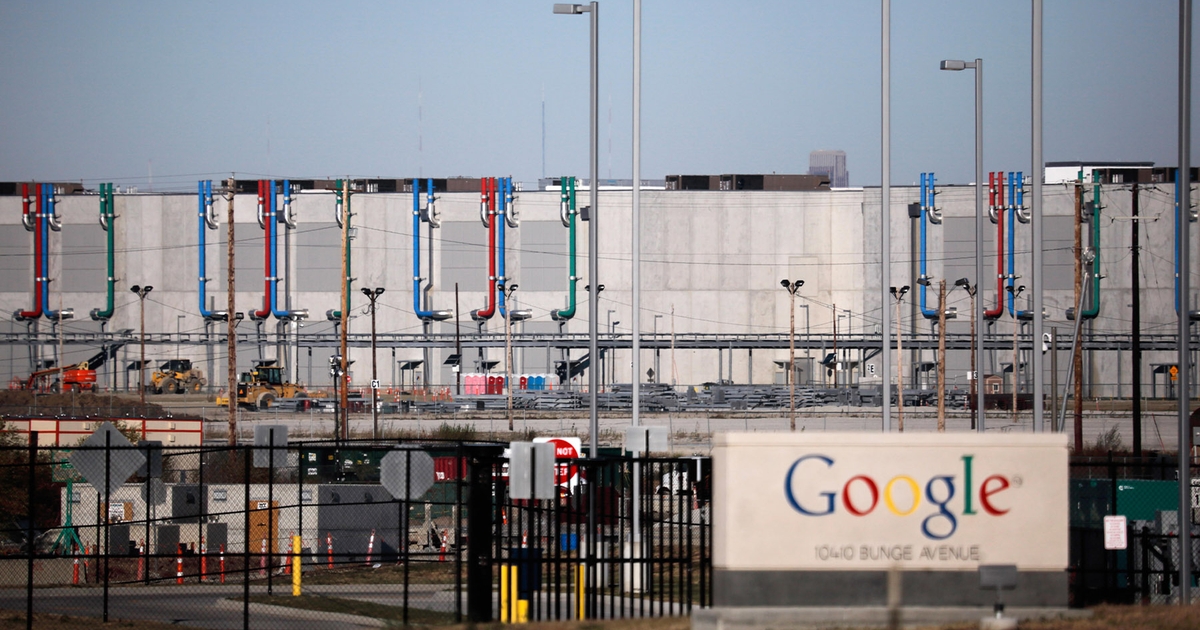
To improve the sustainability of data centers, we need to close them down. Migrating to the Public Cloud This will lead to better results in areas such as: Clean Energy Procurement and Water Use Efficiency.
but, Hyperscale While public cloud data centers are generally more sustainable than private data centers, there are exceptions, and being aware of these is important to optimally achieve your data center’s overall sustainability strategy.
Read on to understand these nuances and how to implement an approach that aligns with your data center sustainability goals.
Why Public Cloud Data Centers are (Usually) More Sustainable
Overall, public cloud data centers are 4.7 times more carbon efficient than private enterprise data centers. IDC and Amazon Web Services ResearchAWS is one of the largest cloud service providers in the world, so it’s not necessarily an objective observer, but there’s no reason to doubt the reliability of this data*.
This is not a surprising finding: Public cloud data centers – that is, data centers operated by cloud providers such as AWS, Microsoft Azure, and Google Cloud Platform – offer the following advantages: SustainabilityThis includes:
Economies of scale
Perhaps the most obvious sustainability benefit of public cloud data centers is that they tend to be significantly larger, which allows them to benefit from economies of scale for sustainability purposes.
Of course, the exact size of a data center varies widely, including public clouds and private facilities. But overall, hyperscale data centers are large and typically At least 100,000 square feetand sometimes more than double that. In contrast, many private data centers Well under 100,000 square feet In terms of size.
Packing more square footage into a single data center leads to sustainability, because the more workloads that share common power and water sources, the more efficiently they tend to consume them.
Furthermore, the impact on sustainability is Data Center Construction The relative environmental impact to workload capacity favors larger facilities: the net environmental damage caused by two 50,000 square foot facilities located far apart can be greater than the impact of a single 100,000 square foot data center.
Shared Infrastructure
Public cloud data centers allow companies to share infrastructure by renting compute, memory, and storage resources, which is more sustainable in the sense that fewer total services are needed, as server capacity once used by one company can be reused by another.
In contrast, most enterprise data centers host hardware used by only one company, and if a company isn’t using all of its servers all the time, the idle servers are essentially wasted costs. Carbon Efficiency.
Renewable Energy Procurement
Private and public Cloud Data Center Both can take advantage of renewable energy sourcing, but very large companies tend to have more buying power when it comes to locating data centers in locations where wind, solar and other renewable energy is readily available, and getting that energy at a fair cost.
Not all public cloud data centers offer renewable energy (and they certainly don’t), but overall they have an advantage in this area.
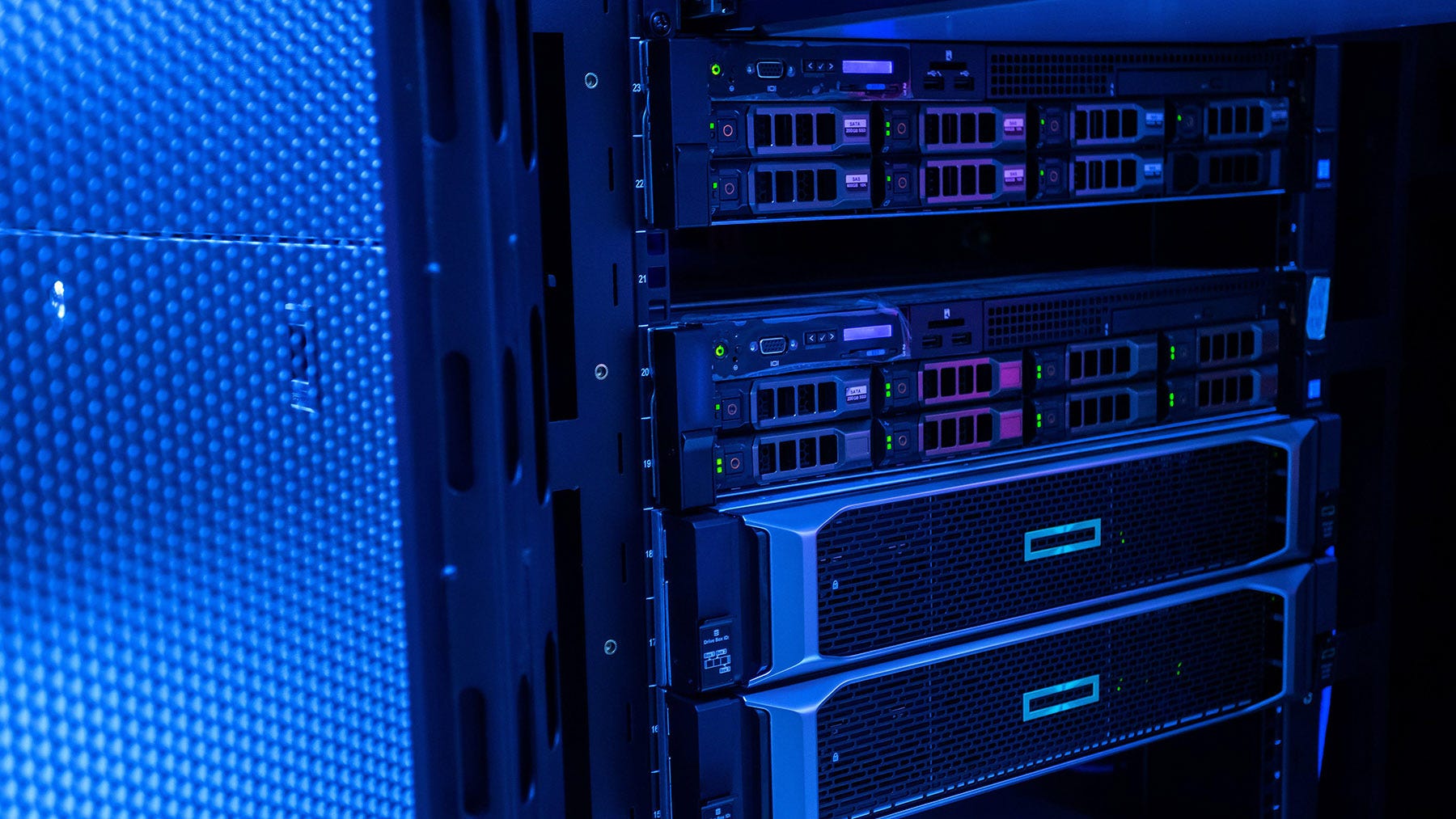
Public cloud providers are often touted as being more sustainable, but private data centers also offer some sustainability advantages.
When private data centers become more sustainable
As a caveat to the above, factors that make a particular private data center more sustainable include:
-
ability Reusing existing buildings By using them as data centers, the carbon costs of construction can be significantly reduced. In theory, hyperscalers could reuse buildings just as private companies could, but this is becoming a more common practice for companies due to the latter group’s smaller capacity requirements.
-
Utilization Edge Data Centers Where clean energy and water are particularly abundant. Edge data centers typically only function in the context of private data center networks.
-
Deployment IaaS in a private data centerThis allows private data center customers to get the same sustainability benefits from shared infrastructure that are available in the public cloud.
-
In private data centers, configuration and Hardware If managed carefully, this control can lead to improved sustainability.
The Path to Sustainability: Public Cloud and Private Data Centers
For most businesses, the easiest way to improve data center sustainability is to place workloads in public cloud facilities.
But before doing so, it’s important to consider whether your company can leverage the unique sustainability features of private data centers, such as reusing existing buildings or deploying infrastructure in sustainable edge locations.
*Disclosure: I am a part-time analyst at IDC but was not involved in the cited report.
