

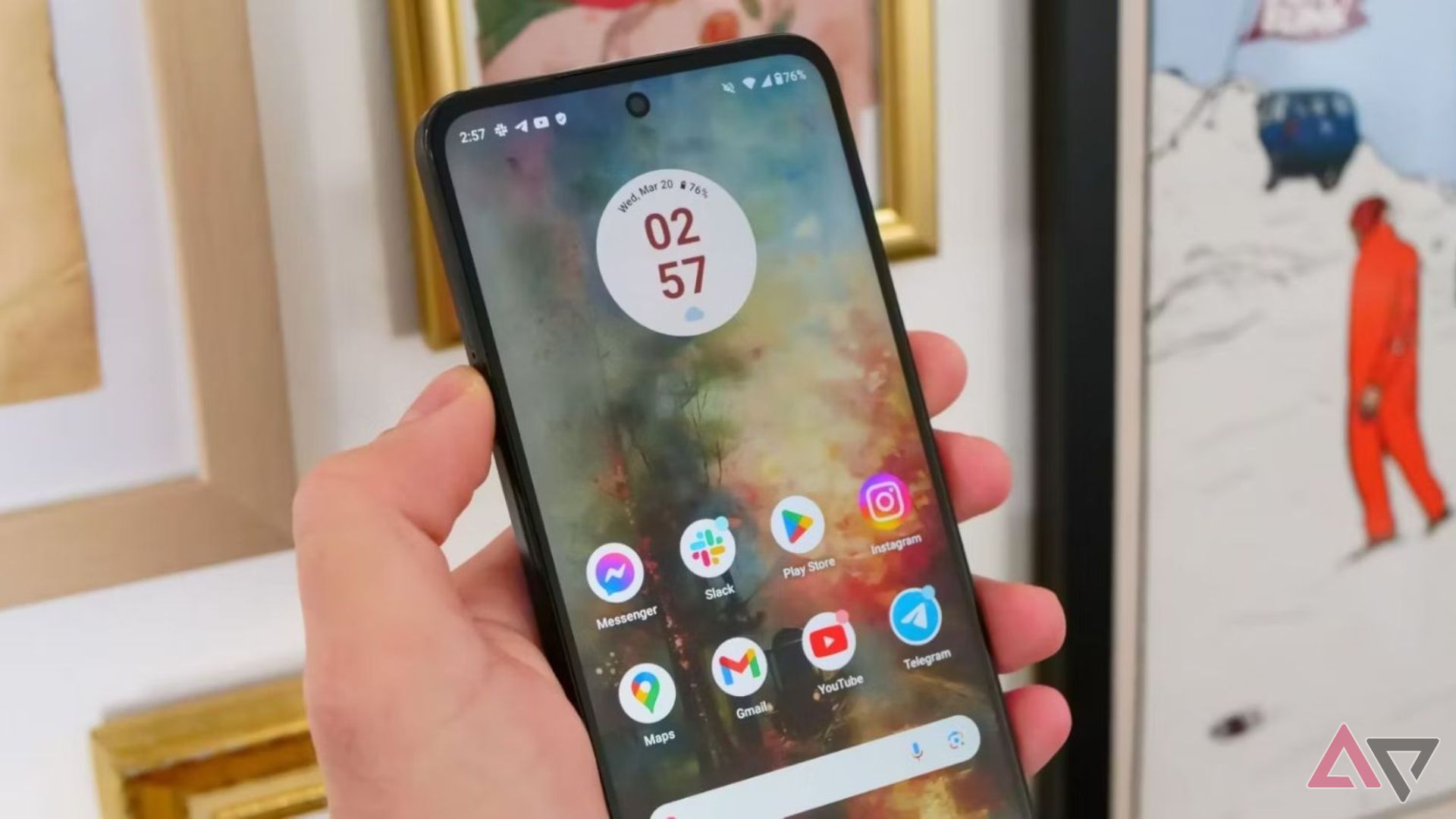
Remember when phone manufacturers called everything 4G because LTE was the hot new technology trend? Remember how annoying that was? They’re doing it again, this time with 5G. It’s not surprising, but they don’t need to tell us about it. 5G is in the biggest markets. They don’t need to tell us that they have a 5G-enabled phone. It’s more surprising and intriguing that your phone doesn’t have 5G.

Related
5G UW, 5G UC, 5G Plus: What’s the difference?
Explanation of confusing terms
A brief history of 5G
Unfulfilled dreams and broken promises
5G is the fifth generation of wireless networks, succeeding LTE (4G), 3G, GSM (2G) and 1G. Approximately every decade, a new generation of network standards drives the industry forward, and 5G is no exception.
Samsung launched its first 5G smartphone in March 2019, a few months after AT&T launched the first 5G network in the U.S. The Samsung Galaxy S10 5G helped pioneer the trend of labeling all smartphones as 5G, with some carriers even rebranding their faster LTE networks as 5G to jump on the trend.
The benefits of 5G go beyond faster data speeds, though: fast downloads and buffer-free streaming are appealing. 5G’s low latency also means life-saving applications in healthcare, the ability for cars to communicate with infrastructure and drive themselves, and more.

5G is mature
It used to be cool, but now it’s “whatever”
5G was once a technology buzzword, just like AI is now. It was all 5G or New Radio (NR for 5G NR), but most of the promises of 5G have yet to be delivered. Instead, the world has moved on. Now, phone manufacturers need to put an AI tag on their phones.
As with LTE before it, we heard promises about 5G’s future capabilities and how it would change the world. But in reality, we continued to see the same congested networks, few promises about benefits for automobiles or smart cities, and a different definition of true 5G.
None of this should come as a surprise: 5G is so ubiquitous in technology that, at least in the U.S., we don’t need to tell you that it’s here.

Why does it need to be labeled 5G?
5G is not yet widespread worldwide
5G is widespread in major markets around the world, so companies don’t need to inform their customers that their phones are 5G capable. Outside of those markets, however, 5G is less widespread, so companies need to inform their customers.
Take Motorola, for example, which just announced the new Moto G Power 5G that inspired this post. Yes, that’s the official name, and it now has 2024 on the end to distinguish it from last year’s Moto G Power 5G. You can imagine my eye-rolling.

Related
Moto G Power 5G (2024): Price, Specifications, News, Features
Motorola is no longer the leader in low-cost Android phones
Motorola is the second largest mobile phone manufacturer in Latin America (LATAM) with a 22% market share. Many of the company’s lower-cost devices sold in the US are also sold in LATAM. 5G is just getting started in many LATAM countries. Even in markets such as Brazil, one of the most advanced LATAM countries, 5G has barely overtaken 2G.
5G is not expected to overtake 4G in Brazil until 2029, while the next-generation network, 6G, is scheduled to launch in the United States at the same time.
US phones don’t need 5G labels
Just rebrand it like most phones do.
Most US cell phones, especially Motorola phones, are just rebranded versions of the same phone that was released under a different name outside the US. Some of these have small spec changes or variations (and certain radios like mmWave), but why do some phones rebrand and others not?
If Motorola can launch a phone in the US as the Moto Edge+, it should be able to launch the Moto G Power 5G as the Moto G Power. Either way, you don’t need to tell us that your phone is 5G-enabled. We know that 5G will be upgraded to 5G Advanced soon. Just let us know when you launch a phone that doesn’t support 5G, and we’ll take note.
