


Digital rights groups are concerned that global internet shutdowns could increase in 2024, threatening fundamental rights in a super election year. Nita Bala of the Thomson Reuters Foundation reports:
Nairobi, Kenya
Thomson Reuters Foundation
For the first two months of 2024, millions of people, from voters in Pakistan to families displaced by Sudan’s civil war, were plunged into digital darkness as governments and others imposed internet shutdowns.
In a bumper election year, digital rights activists fear further blackouts as governments and other powerful forces seek to control what people do and see online.
Supporters of the Grand Democratic Alliance (GDA), a coalition of political parties, are holding flags and gathering in a sit-in protest against what they call. election They engage in bid rigging and demand generally free and fair outcomes. electionLocated along the main road of Jamshoro, Pakistan on the 16th February 2024. The US State Department was among those to express concern over reports of restrictions on the exercise of free expression in Pakistan, including partial or complete internet shutdowns imposed by the government.Photo: Reuters/Yasir Rajput/File Photo
Here’s a look at where and why the internet shut down happened, and what the year ahead holds.
Where will internet shutdowns be most prevalent in 2024?
According to the Internet Society, a global charity, there were 13 internet shutdowns in the first two months of 2024, compared to two in the same period last year.
According to the Internet Society, a global charity, there were 13 internet shutdowns in the first two months of 2024, compared to two in the same period last year.
The digital blackout is affecting people in India, Pakistan, war-torn Sudan, Senegal, Comoros and elsewhere. chad.
Local authorities in India’s West Bengal, Uttarakhand and Rajasthan states said they had suspended internet services for a variety of reasons, including to quell violence and prevent cheating in civil service exams.
Why would the government shut down the internet?
Governments typically say they shut down the internet to maintain public order, prevent the spread of misinformation that could incite violence, protect national security, and ensure the integrity of inspections and sensitive information.
Some governments have argued in the past that internet shutdowns are necessary to fight terrorism, protect against cyber threats, moderate online content and enforce regulations related to illegal activity.
But digital rights activists say the real reasons often include a desire to suppress dissent, silence dissent, and control the flow of information, all of which It says it could undermine fundamental rights such as freedom of expression and access to information.
In Senegal, authorities said they had cut off mobile data access in February to curb the spread of “hateful and destructive messages” after people took to the streets to protest the postponement of presidential elections. did.
In Pakistan, authorities have ordered the suspension of mobile internet and phone services for security reasons during the February 8 presidential and national elections.
Although most shutdowns are imposed by the government, internet blackouts in Sudan are being blamed on paramilitary emergency support forces. The troops have been fighting the military for nearly a year in a civil war that has left thousands dead, some 8 million people displaced and alarming. Of starvation.
Industry sources said RSF soldiers said they would cause a power outage if technicians did not restore services to the RSF-controlled western region of Darfur. RSF denies the allegations.
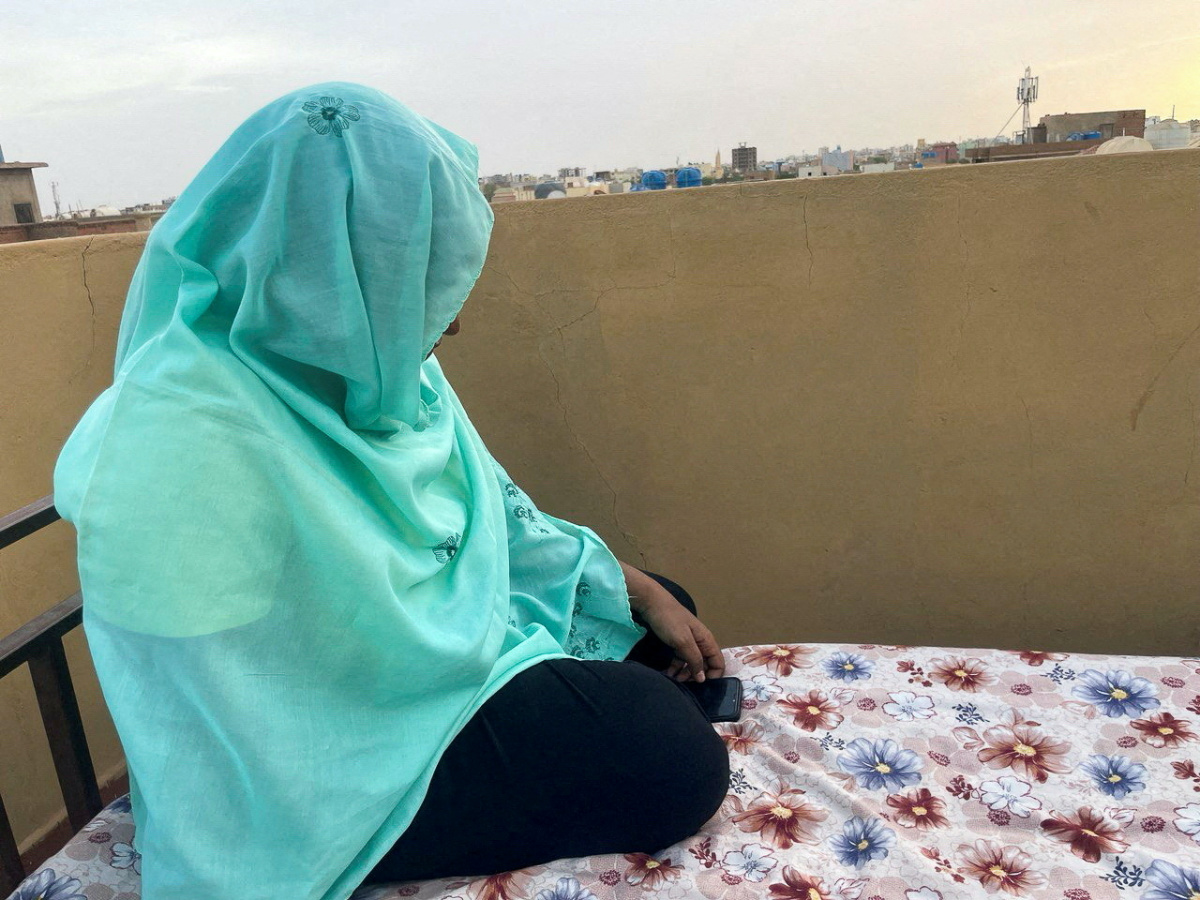
Heba checks the whereabouts of her relatives on her mobile phone while sitting on the roof of her house during the conflict in Khartoum, Sudan, on April 30, 2023.Photo: Reuters/El Tayeb Siddig
How will an internet shutdown affect people and the economy?
Internet shutdowns cut off critical communication channels, cause separation anxiety, and prevent access to essential services such as health care and education. When service platforms and payment systems go dark, businesses also suffer.
The impact is particularly acute during times of conflict and emergencies. In Sudan, power outages have disrupted aid deliveries, leaving millions of desperate people stranded and now relying most on e-wallets to buy essential goods given widespread cash shortages. I am no longer able to do so.
Internet shutdowns can also limit access to information and foster a culture of fear and censorship. In Senegal, internet advocacy group Access Now said power outages may be facilitating the spread of misinformation.
In the northern Indian state of Haryana, the internet has been shut down following farmers’ protests, leaving children unable to study online, exams postponed and health workers unable to quickly respond to emergencies. .
We rely on readers like you to fund Sight’s work. Become a financial supporter today!
How are people trying to avoid this power outage?
Citizens are trying to avoid internet shutdowns by adapting to restrictions and finding alternative ways to stay connected.
One common method, used in the past in Nigeria and Uganda during social media shutdowns, is the use of virtual private networks, which encrypt internet traffic and bypass restrictions to connect servers in other countries. Reroute traffic through.
Additionally, some people in India use the free software Tor to anonymize their internet activity by routing it through a distributed network of volunteer-run servers.
In Sudan, people access the internet through satellite connections or foreign SIM cards. RSF is also reported to be using Elon Musk’s Starlink service.
In India, offline communication methods such as mesh networks, which allow devices to connect directly to each other without relying on centralized infrastructure, are becoming increasingly popular in areas prone to internet shutdowns.
But no matter what workarounds people find, they are likely to end up encountering new restrictions, as governments tend to respond with more sophisticated censorship techniques.
Could we see more digital blackouts in 2024?
According to the Internet Society, there were 124 internet shutdowns last year, and digital rights activists predict this is likely to increase in 2024, mainly due to the number of elections scheduled around the world. doing.
National elections are held in at least 64 countries and determine the representation of almost half of the world’s population.
The risk of internet shutdowns increases during election periods as government officials seek to control access to information, often citing the need to stem the spread of civil unrest, false news and hate speech.
Of the countries voting this year, 24 have imposed government shutdowns in the past, with a combined population of 2.8 billion people. These include India, Mozambique, Venezuela, South Sudan and Chad.
“The risks to democracy and human rights are higher than ever this year, with billions of people at risk of a government shutdown during the 2024 election cycle alone,” Access Now said on its website. Stated..
