

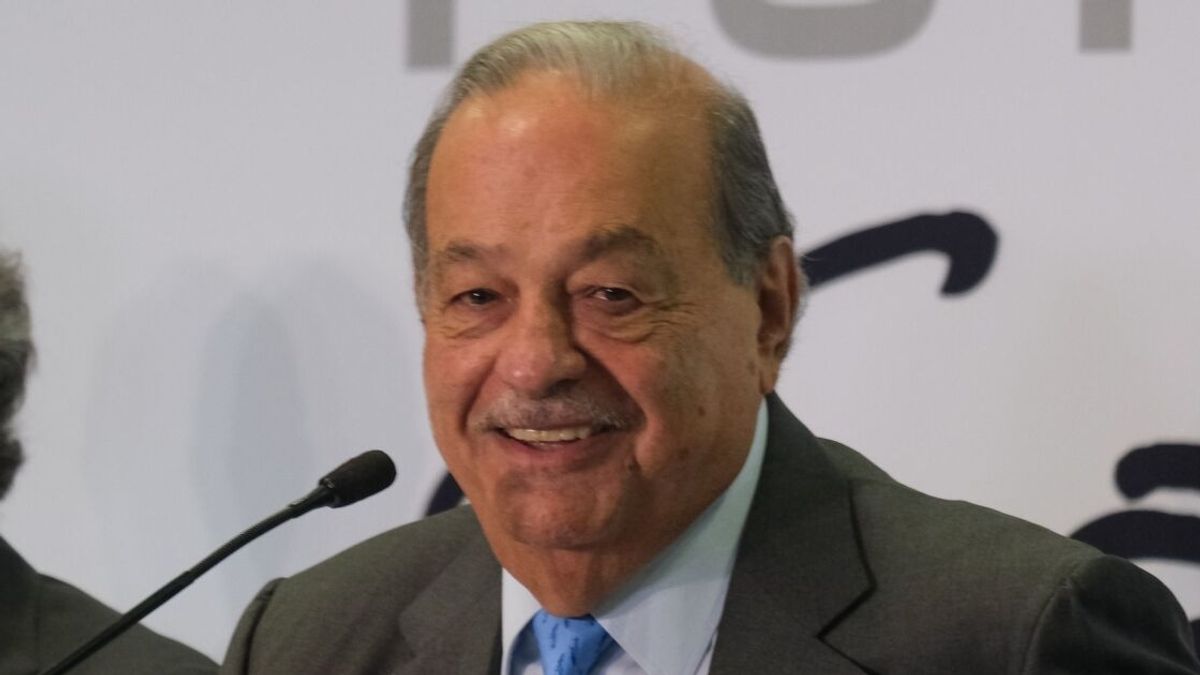
As the world moves into the 5G era, telecom giants like Telcel face both unprecedented opportunities and significant challenges. 5G technology is expected to revolutionize internet connectivity with its ultra-fast speeds and reduced latency. However, the ongoing semiconductor crisis is a major hurdle impacting the availability and price of smartphones essential for accessing 5G networks. Telcel, part of América Móvil and led by Carlos Slim, is at the forefront of this technological innovation in Mexico, with a robust infrastructure as well as the complexity of market dynamics and recent global events. It also responds to consumer behavior shaped by
5G rollout and consumer impact
The advent of 5G technology in Mexico has been met with both excitement and skepticism. Telcel is poised to offer his unparalleled 5G services, leveraging an extensive network that includes over 20,000 radio bases with 95% fiber optic connectivity. However, the high price of 5G-enabled smartphones, exacerbated by a global semiconductor shortage, remains a major barrier for many consumers. Jesús Romo, director of Telconomia, highlighted that inflation and the economic fallout of the pandemic have led to consumers prioritizing essential spending and slowing upgrades to 5G devices. This cautious consumer behavior highlights the challenges Telcel faces in expanding its 5G market rollout amid continued economic uncertainty.
Regulatory landscape and competitiveness
América Móvil’s path to 5G has been paved for 10 years and is a testament to the company’s commitment to technological advancement and market leadership. The granting of the 3.5 GHz spectrum band from IFT gives Telcel a competitive edge in his 5G race. However, this advantage is not without its challenges. Mexico’s regulatory environment requires América Móvil to share infrastructure with competitors such as AT&T, promoting a level playing field. Analysts argue that this, coupled with high spectrum costs that are significantly higher than in other countries, presents Telcel with the delicate challenge of balancing infrastructure advantages with the financial burden of acquiring spectrum. ing.
Future outlook and strategic adaptation
Despite hurdles, the future of 5G in Mexico looks promising. The impending IFT auction for additional spectrum bands suitable for 5G, such as 600 MHz and L-band, is a potential boon for Telcel. But high cost concerns and the risk of an unattended auction loom, reminiscent of his IFT-10 auction from the previous year. As Telcel navigates these complex waters, Mexico’s ability to adapt strategically, from optimizing existing infrastructure to pioneering his potentially affordable 5G-enabled devices, will He will be pivotal in shaping the 5G landscape.
Mexico’s 5G transition, led by Telcel, epitomizes a global technological evolution characterized by innovation, regulatory challenges, and the urgency of meeting changing consumer demands. As the semiconductor crisis gradually resolves and economic conditions stabilize, Telcel’s journey through these turbulent times will provide valuable insight into the telecom giant’s resilience and adaptability in the face of adversity. right.
