

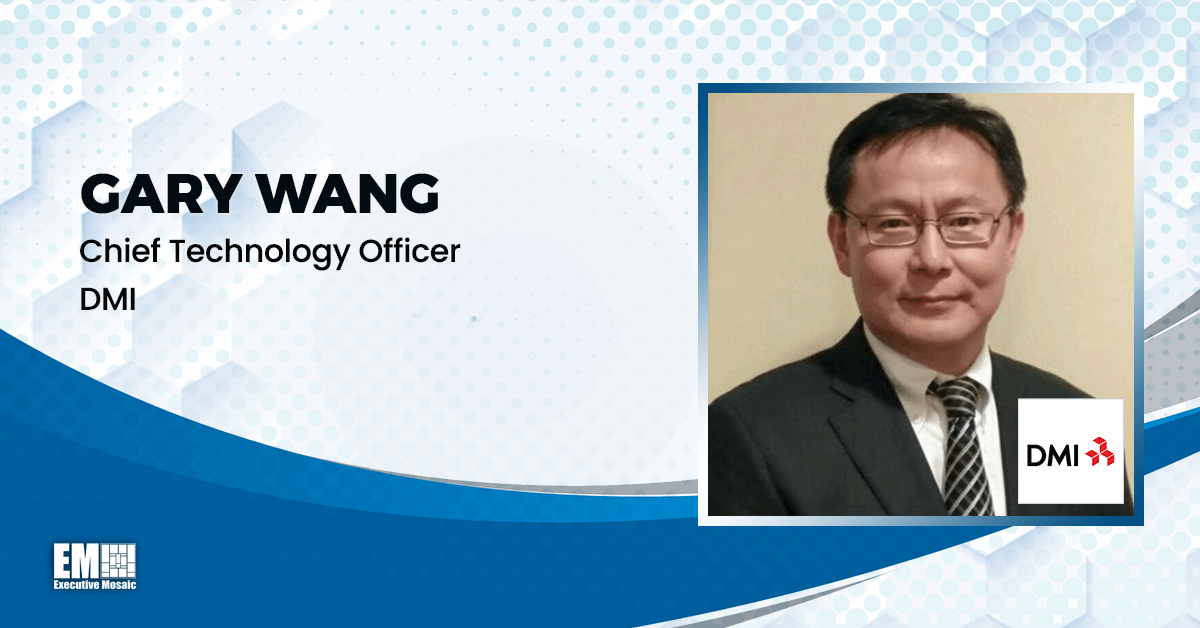
Gary WangChief Technology Officer DMIthe Pentagon said it should. Expand your 5G network infrastructure Harness the potential of artificial intelligence and Internet of Things-based devices.
In a commentary published Thursday on the Federal News Network, Wang said security is a significant obstacle to the U.S. military’s deployment of 5G technology and that Pentagon agencies must work with private sector partners to said there is a need to integrate additional security features for sensitive defense applications.
He noted how secure identity and access management practices and modern software can help the Department of Defense manage security risks associated with 5G.
“To further reduce the risk of security incidents, DoD cyber experts must prioritize continuous monitoring and analysis to detect hostile lateral movement,” Wang said. . “Furthermore, the increasing risk of using quantum computing to decrypt encrypted data requires the Department of Defense to consider deploying quantum-resistant encryption across its 5G networks.”
Wang pointed out that 5G technology could bring operational advantages to the defense sector by enabling rapid data transfer and real-time analysis, making logistics management easier.
“To take advantage of these benefits, the Department of Defense must take development and operational steps to validate modern sensor network architectures and configurations and underlying security systems. “Integration is another critical technology area that the Department of Defense must leverage for effective mission operations,” he wrote.
DMI executives also emphasized the importance of public-private cooperation to leverage the potential of IoT platforms and 5G networks.

Register here To attend the Potomac Officers Club 5th Annual Artificial Intelligence Summit on March 21 to hear federal leaders and industry experts discuss the latest developments in the field.
