

kasha ferguson
Concerns over the proposed installation of a cell phone tower near Windell led residents to hold a public meeting to discuss the potential impact of 5G broadband on the environment.
The meeting, held at Windell Community Hall on Wednesday, February 22nd, followed the distribution of a petition signed by many citizens opposing the installation of Rogers’ 200-foot 5G tower in the area. Ta.
Shona Hayes of Lightfield EMF Solutions in Nelson presented information about Earth’s magnetic field at the conference.
A reader in geomagnetism and an expert in electromagnetic radiation, Mr. Hayes teaches about natural geomagnetism, how electromagnetic frequencies affect this invisible but sensitive magnetic field that surrounds all life on Earth, and how to reduce electrical pollution. We discussed what each of us can do to help.
“Electromagnetic fields are what connect us to each other and to nature,” Hayes said. “We can’t see it, touch it, or smell it, but we’re contaminating a very important part of our environment that we can’t see.”
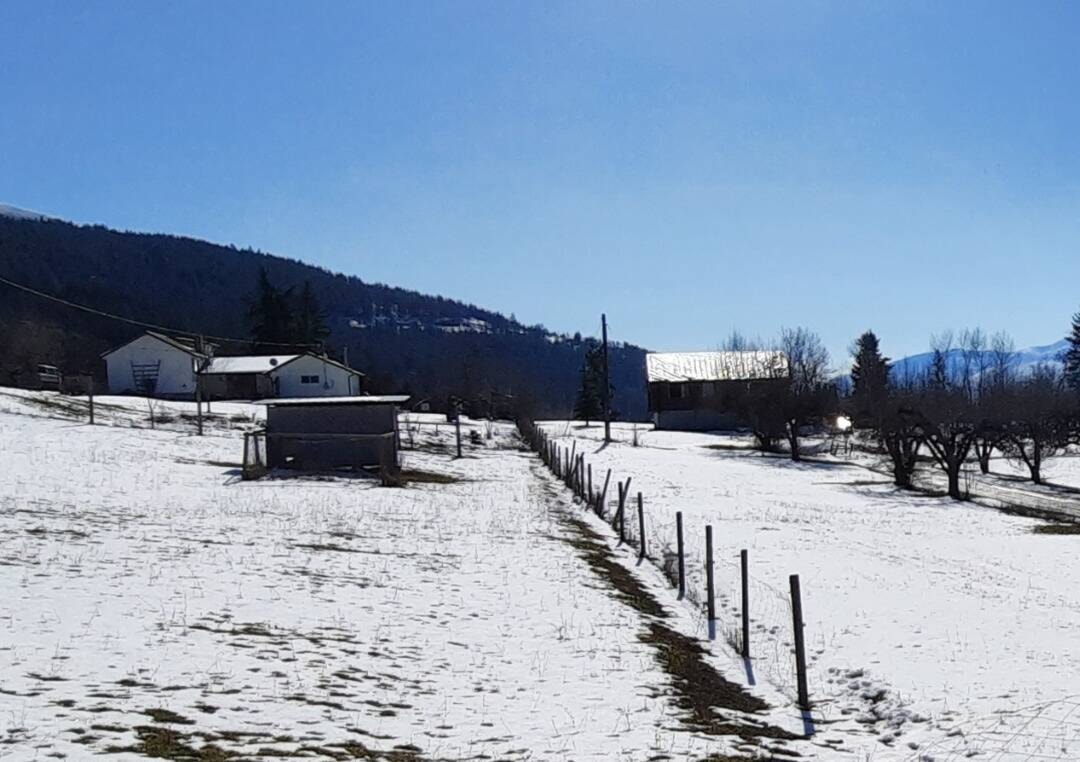
The proposed site is on private land near the intersection of Lower Windell Road, Duck Lake Road and Winrow Road. The site is surrounded by homes, gardens, local food producers, and an apiary that provides local raw honey. Local residents are concerned that the proposed tower will affect wildlife and the wetlands surrounding Duck Lake.
“Birds, bees and bats all have navigational structures in their brains and cells that are completely energy dependent. [uninterrupted natural frequencies] It provides geomagnetic influence for migration and pollination,” Hayes said. “Most living things on Earth have cellular structures that communicate directly with the Earth’s magnetic field. This is an exciting new field of science, and I’m excited to be a part of it.”
Hayes said it is not recommended to install 5G transmission towers near apiaries, farms, homes, wildlife sanctuaries or wetlands because water is conductive. She said bees are particularly sensitive to electromagnetic frequencies.
“We rely heavily on pollination. Therefore, we never recommend installing towers near biological systems that depend on responsible environmental management.”
Hayes added that individuals also need to take responsibility for the electrical pollution we may cause.
“There are many things you can do to reduce it, such as setting a timer on your Wi-Fi router to turn it off at night. Because it contributes to
Hayes also recommended that all internet devices be wired rather than Wi-Fi-based. He said: “Just like recycling and stopping cars, we have to change our lives.”
Area C RDCK Director Kelly Vandenberg attended the meeting.
“I was invited to attend a community-led town hall and technical presentation to be held at the Windell Community Center on Wednesday, February 20th,” he said in a letter to the Advance.
“This is a community-driven initiative, and we are impressed by the community that has come together to better learn and understand the concerns of mobility towers in rural and densely populated areas.
“It was a respectful meeting with high-quality questions and suggestions.”
Vandenberg said he was contacted by a representative from Rogers after the City Hall meeting and said Rogers is responding to community concerns and is considering locating the tower further southwest than its original location. said.
“My recommendation to Rogers representatives was to ensure that future community engagement needs to be a public town hall. Letters to the public, in accordance with standards of practice established by federal law. Requiring such information does not encourage good exchange of information.”
“Since this issue falls under federal law and jurisdiction, the role of local governments is to comply with land use planning and zoning.
Cypress Land Services did not respond to requests for comment.
